English
Free shipping within Japan on orders over ¥1,000 ─ Inspice KANAZAWA, our Higashiyama flagship, is open
InspiceGuideHow to make spice curry
Complete Guide / Worth keeping

How to make spice curry:
the complete guide.

You can make curry without roux. It need not be yellow, and it need not be thick. Inspice, composing to hundredths of a gram in Kanazawa, sets out the shortest route to a spice curry you would want every day — including how to recover when it goes wrong.
The short version.
  • Three steps: fry, add, simmer. About twenty minutes to something real.
  • The quickest start is a pre-measured pack. Choose from four symphonies, by what you have in the fridge.
  • Heat is designed to be added afterwards. With no chilli in the base, children can share the same pan.
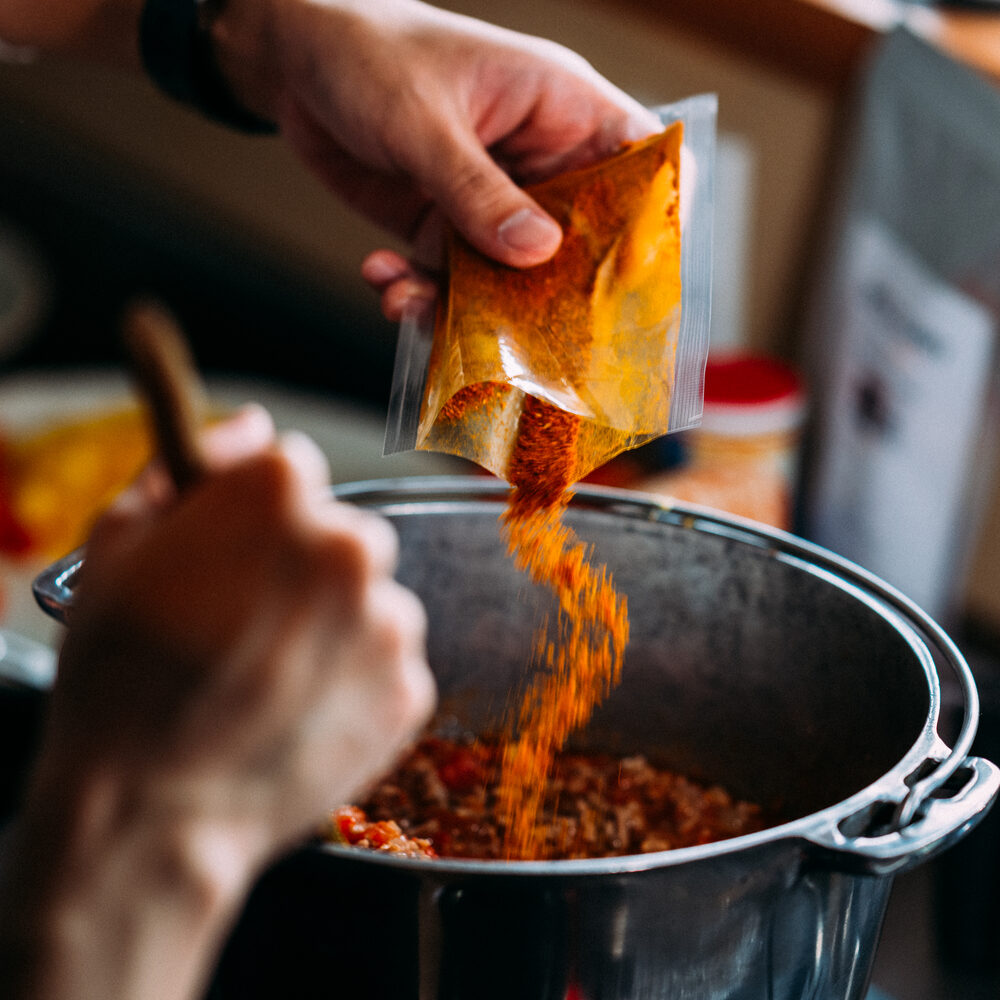
Tipping a spice pack into the panFrom the workshop kitchen / Spice, into the pan
Idea

Think of curry as a bundle of scent.

Say spice curry, and something yellow, fiery and thickened comes to mind. Curry is freer than that. Lay one bundle of spice scent over the savour of onion and whatever else is in the pan, and that alone makes a proper curry. Let go of what the roux was doing — thickening, salting, adding fat — and the ingredients come out clearer, and the plate is not heavy the next day.

The only hard part is what goes in and how much. Leave that to a pre-measured pack and put your attention on the heat and the ingredients.

3 Steps / About 20 minutes

Three steps, and that is all.

No measuring, nothing to memorise.

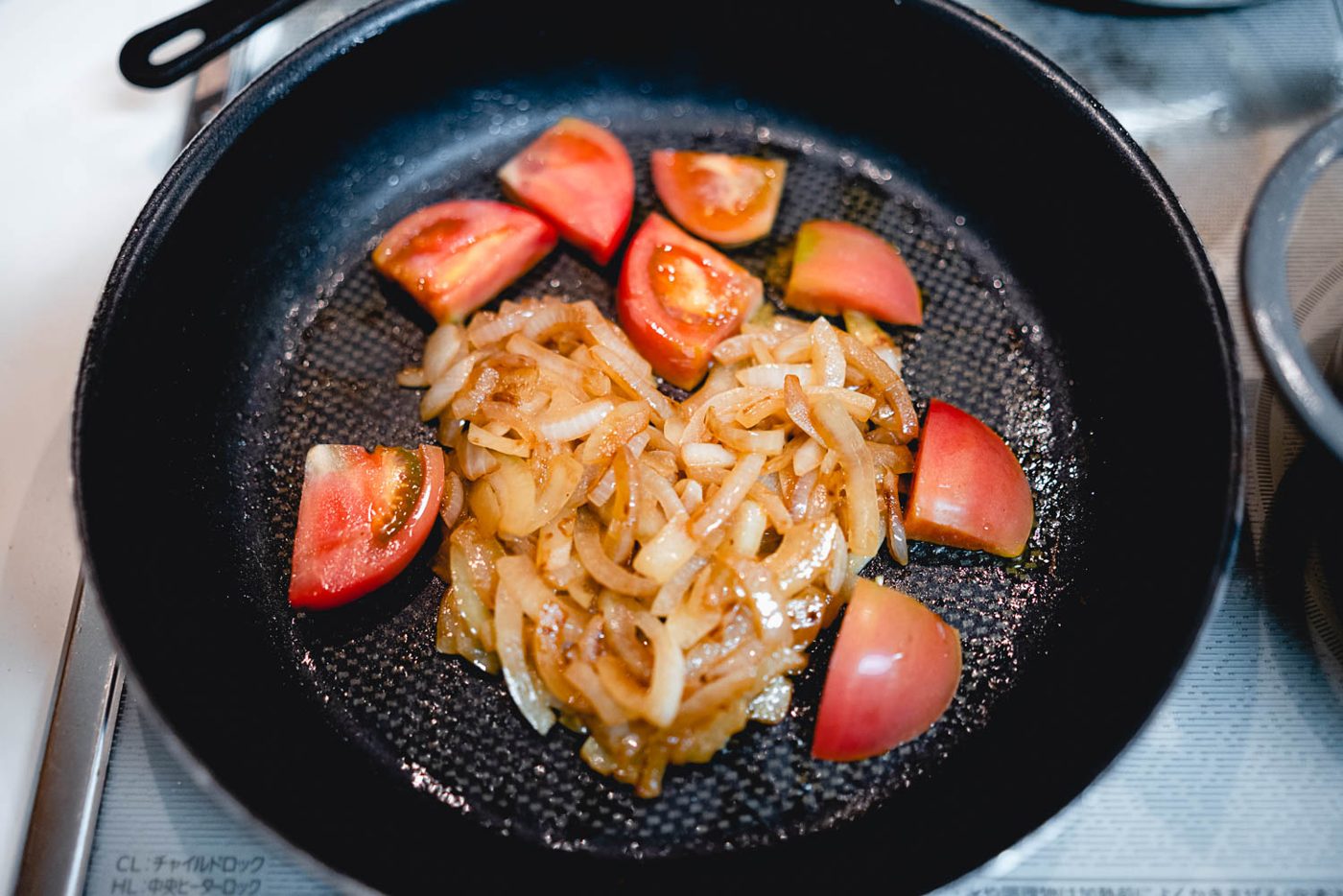
Frying onion and tomato
01

Fry

Fry the onion and whatever you like in oil until it toasts. Building the base of savour takes until the edges of the onion colour.
Adding the spices to the pan
02

Add

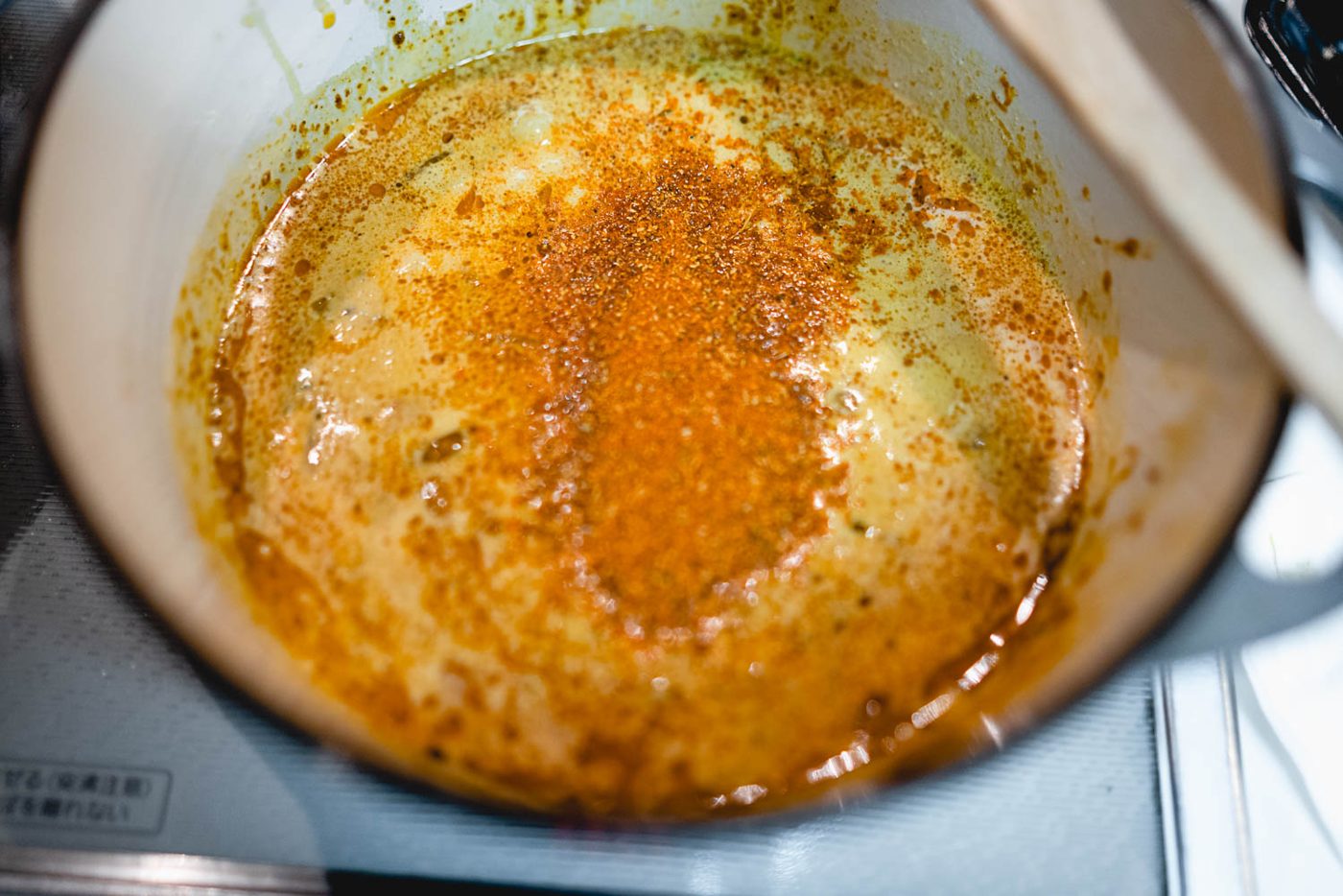
Add the spices — a whole pack, as it comes. When the oil takes to the powder and the scent rises, it has worked.
Simmering gently in the pan
03

Simmer

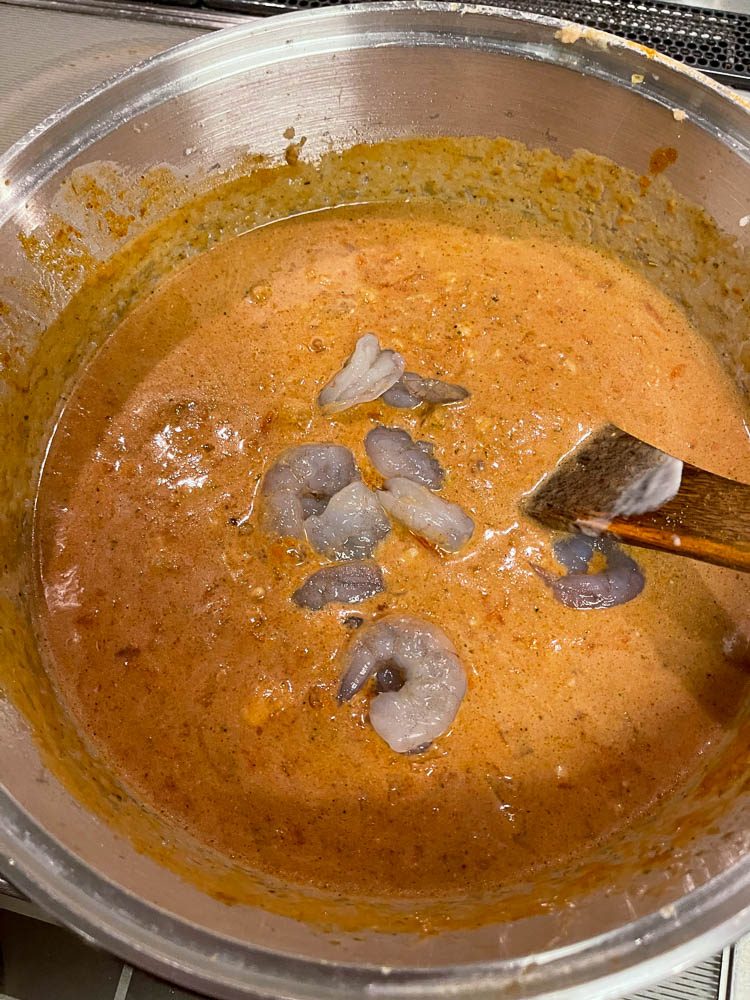
Add water and give it about twenty minutes. No thickening; a plate that stays clear in its aroma. Taste, and salt at the end.

An Inspice spice pack makes four servings, twice over, per box.See the four symphonies →

Troubleshooting

For the days it does not work.

From questions actually sent to the workshop. Read them, and a failure becomes a recoverable one.

It came out watery
The most common question. It comes down to too much water and not enough reduction. Take the lid off, turn the heat up and reduce for a few minutes — it transforms. In detail: On curry coming out watery →
I want more heat, or less
None of the Inspice symphonies uses chilli, so adding it afterwards is the right move. A shake of coarse chilli flakes, or Hot Spice. It can be set plate by plate, so a family with different tolerances is no problem. On spices for adding heat →
What about the rice?
Plain rice is plenty, but on an easier day make turmeric rice. Half a teaspoon of turmeric and a little oil, cooked with two cups of rice. How to make turmeric rice →
Should I remove the chicken skin?
It is a question of balancing savour and fat. There is more than one answer. Thinking about chicken skin →
Can I eat the whole spices?
They will do you no harm, but biting one is fierce. Once the large whole spices have given up their scent, take them out or move them to the edge of the plate. On whole spices →
Grating garlic and ginger is a chore
Frozen cubes and tubes are a perfectly respectable technique. On the garlic-and-ginger problem →
I have coconut milk left over
Freeze it in an ice-cube tray and drop it straight into the next curry. How to store it →
Spice Packs

Four symphonies, no measuring.

Already composed to hundredths of a gram. Open it and tip it in, so the proportions cannot go wrong. What is inside is set out in full in the The spice score.

Undecided? The four-pack set, ¥4,300 →

FAQ

If this is your first time.

Does it really take twenty minutes?
Setting aside the chopping, about twenty minutes from the moment it goes on the heat. Longer simmering draws out more savour, but twenty minutes is already a feast for the evening.
Can children eat it?
The Inspice symphonies use none of the usual sources of heat — chilli, cayenne or chilli powder. No.4 in particular is built mellow, on the sweetness of fruit. Adults can add heat on their own plate.
Are spices bad for you?
Spices are plants that households around the world have used daily for a very long time. Inspice products are 100% plant-based and additive-free. If a particular material concerns you, the ingredient list on each product page is given in order of weight.
How should I store it?
At room temperature, away from direct sunlight, heat and humidity. The spice packs are single-use, so there is nothing to go stale after opening.
Start Cooking

Tonight, in the pan,
undo a bundle of scent.

Fry, add, simmer — twenty minutes. Start with Symphony No.1 (¥1,058, four servings twice over).

Marketplace

Inspice, on the marketplaces too.

Order with the marketplace account you already use.