


Buy on marketplaces
Rakuten IchibaRakuten Ichiba ↗Yahoo! ShoppingYahoo! Shopping ↗AmazonAmazon.co.jp ↗Marketplace
Order with the marketplace account you already use. Points and bulk buying are handled there.
Order with the marketplace account you already use. Points and bulk buying are handled there.
How much water and milk. How long to simmer, and at what heat. Which sugar suits it best. Everything you need to brew Inspice chai at its best at home. No special equipment.
Inspice chai comes in two forms, and they are brewed quite differently.
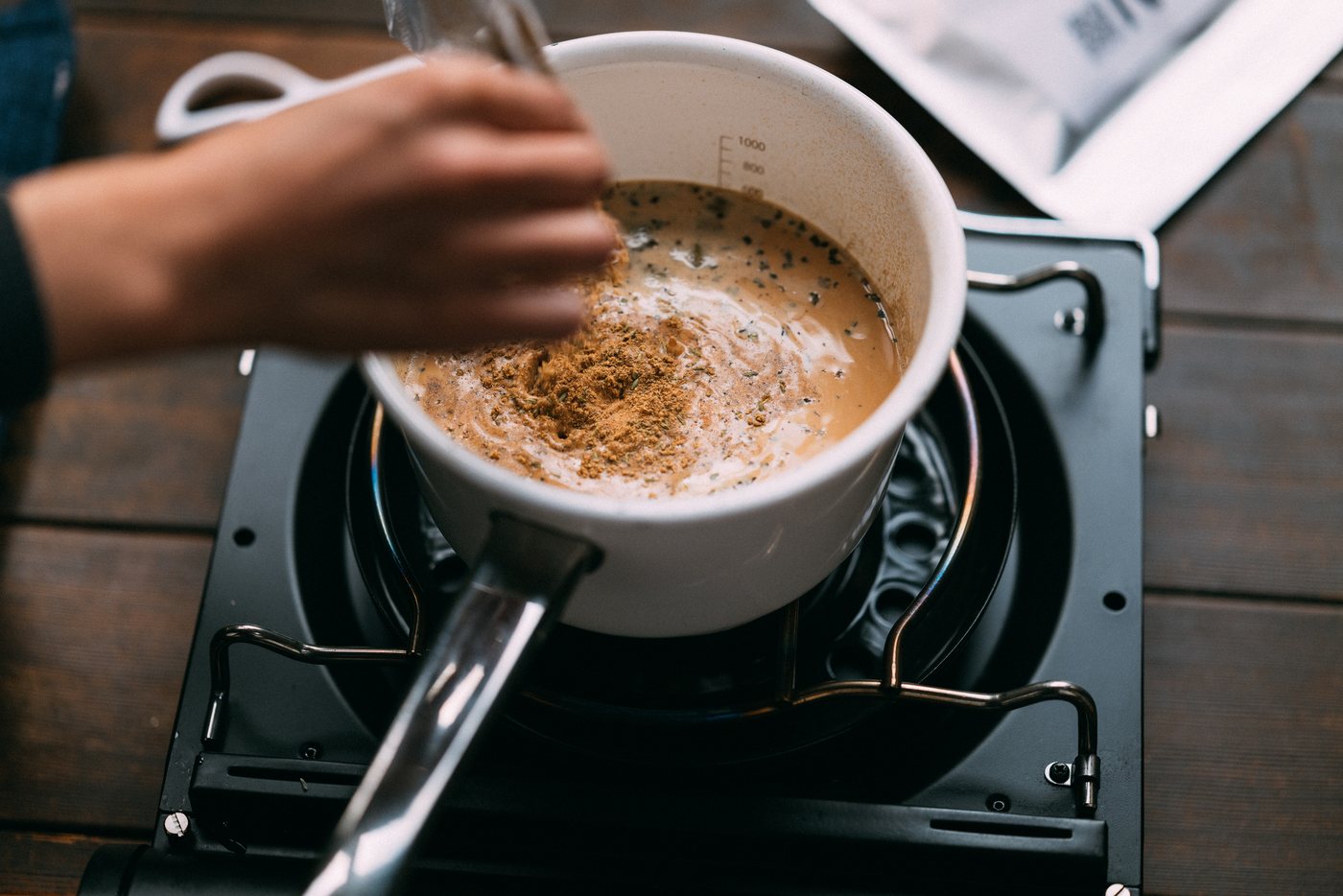 Chai Spice Pack
In a pan / 500ml in about 7 minutes
An unsweetened pack of tea leaves and whole spices. Add your own sugar while it simmers.
See how to brew it →
Chai Spice Pack
In a pan / 500ml in about 7 minutes
An unsweetened pack of tea leaves and whole spices. Add your own sugar while it simmers.
See how to brew it →
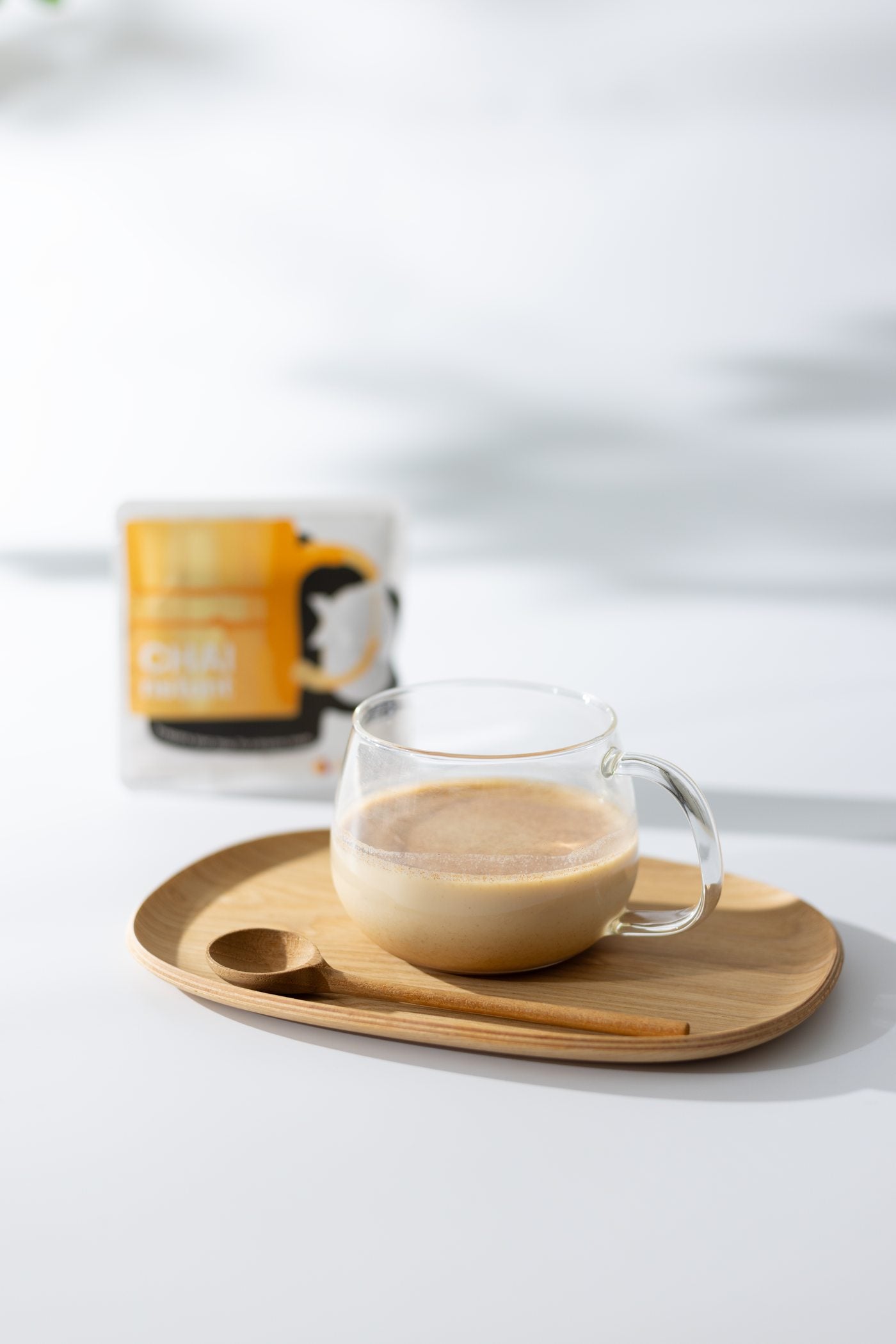 CHAInstant
In the microwave / a cup in about 4 minutes
A tea bag and a sachet of powder, one serving each. Red sugar is included, so it is gently sweet as it comes.
See how to brew it →
CHAInstant
In the microwave / a cup in about 4 minutes
A tea bag and a sachet of powder, one serving each. Red sugar is included, so it is gently sweet as it comes.
See how to brew it →
One pack makes any of three recipes. It is not only the water and milk that change — the simmering times change too. Follow the column for the amount you want.
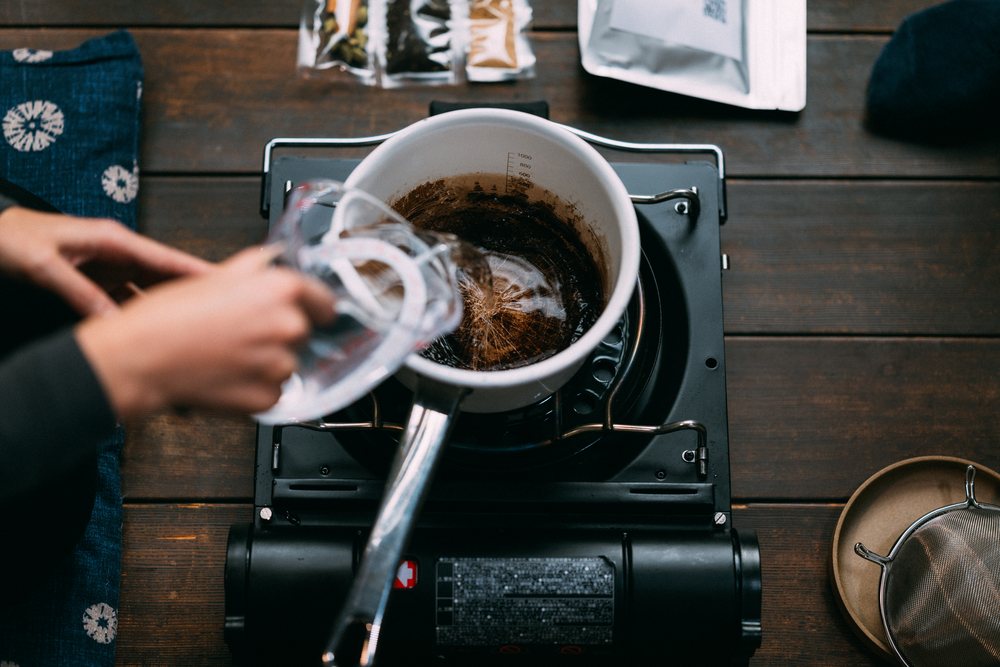
For 500ml, a pan of at least 700ml; for 700ml, at least 1 litre. A spout helps you pour without spilling.
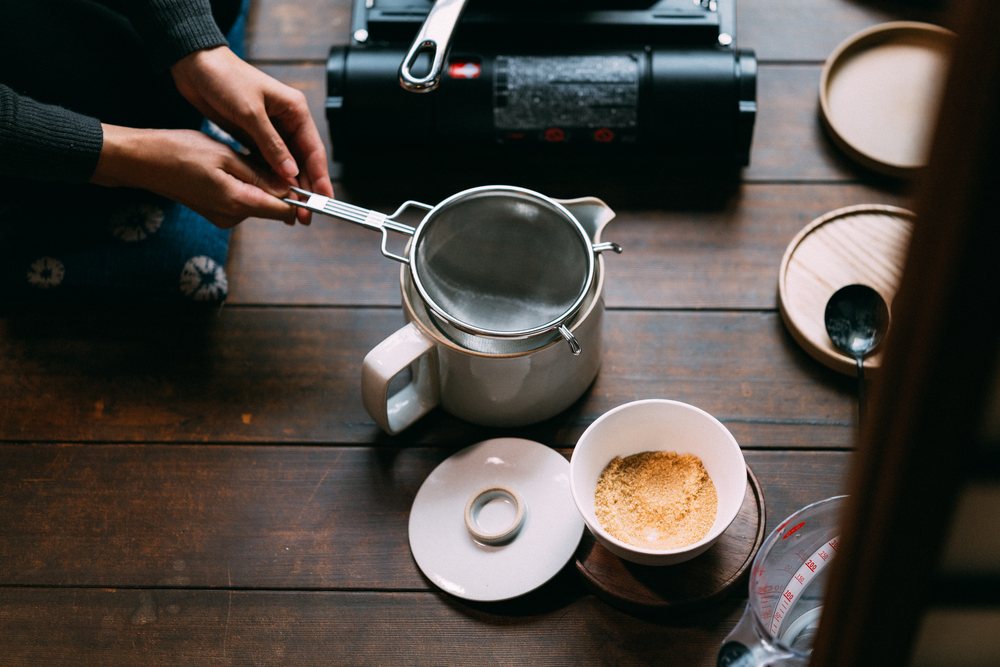
Avoid anything too fine. It will strain out the spice itself and the caramelised sugar, leaving the cup thin and vague.
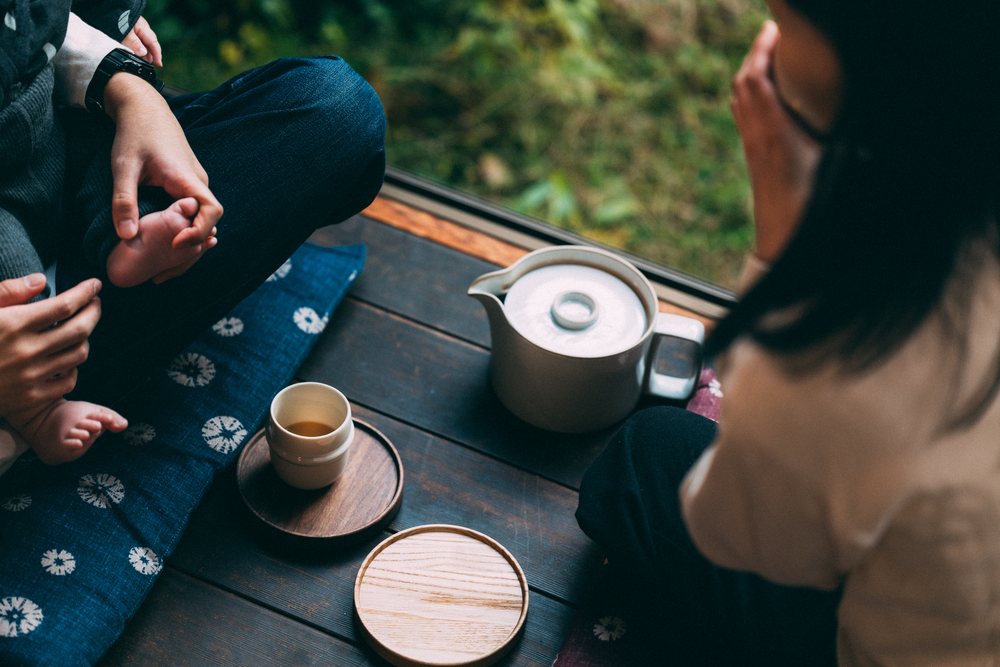
Something to catch the strained chai. Pouring into a pot first makes both the quantity and the temperature easier to handle.
Keep to the amounts and the times.Inspice chai is designed so that the scent stands tallest at these proportions and these times. Simmering longer because you like it strong only brings out astringency from the leaves, and the spice scent hides behind it. Start by following what is written.
The iced version takes more sugar, and not to indulge you. Cold drinks register less sweetness and less scent, and the amount allows for that.
 Watch it / brewing chai gently in a pan
Every product contains the same pack inside; choose by how much you drink. The Cacao Nib Chai is brewed in exactly the same way.
No pan, no strainer. A mug and a microwave.Pour the hot water first and wait two minutes — that order alone decides most of the flavour.
Put the tea bag in the mug, and all of the powder left in the sachet as well. Pour 90ml of boiling water and wait 2 minutes. The leaves open in boiling water.
Cow's milk130ml. Soy or oat milk at the same quantity. It can boil over, so leave room in the mug.
Microwave1 min 20 sec at 600W. Stir well and it is done — about 220ml.Leave the tea bag in while you drink.
Do not add the milk and heat it straight away.The leaves will not open, and neither the scent nor the astringency will finish coming out. On a day when boiling a kettle is too much, microwave 90ml of water for two minutes and steep for two minutes in the same mug.
For iced, do not dilute it with ice — chill the finished cup in the fridge. Made the night before, it is exactly cold enough by morning.
The base of twelve spices and tea is the same throughout. The single material after the “+” is what makes each flavour itself. They are all brewed the same way.


The kind of sugar changes chai a great deal.What suits Inspice chai best is red sugar.
Red sugar is taken from cane juice just before refining is complete. Because the molasses is still in it, it carries a scent and body closer to honey or caramel. In India, the home of chai, this kind of sugar is used widely.
In Inspice chai, the scent of red sugar does not cover the spice and the tea; it lifts them from underneath. Added while it simmers, it caramelises against the heat of the pan and gains body and savour. That reaction happens because the molasses is still there.
Look for it as red sugar or cassonade, in the sugar aisle or at a baking supplier. The powdered kind dissolves more easily and is simpler to work with.
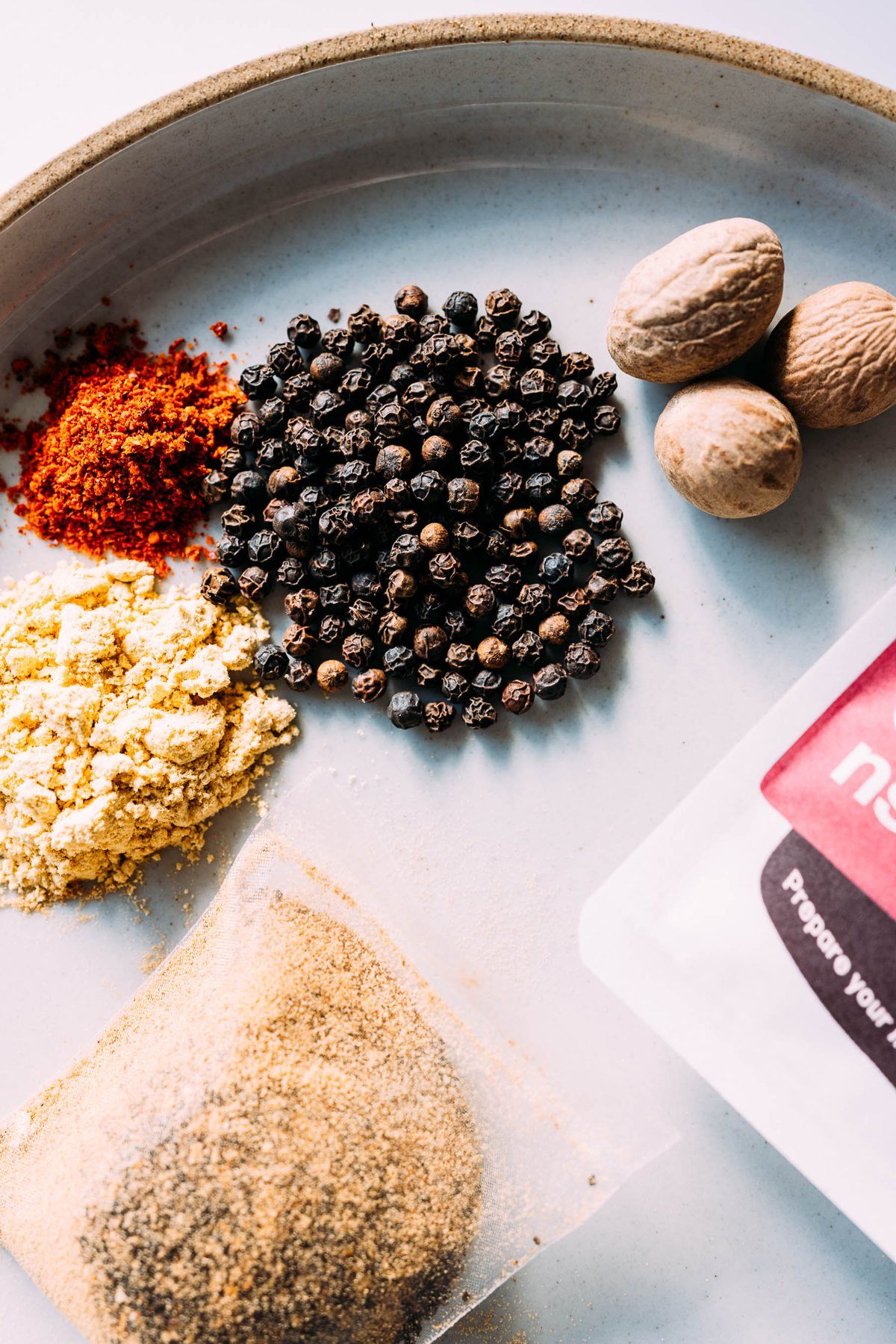
Scent and body both fit best. Cassonade belongs here too.
Easy to find, and with plenty of body. If you cannot find red sugar, take this.
Makes a plainer chai than red or cane sugar. For anyone who prefers it light.
Its body comes out too strong and covers the scent of the twelve spices and the tea.
With no body at all, there is nothing to hold the scent up. The result is simply sweet. Of the five, this suits it least.
CHAInstant already has red sugar blended in. There is no need to add any.
With the same materials, these three change the result. They are what we care about most in the Kanazawa shop.
Above 74°C, milk develops a cooked smell that gets in the way of the delicate scent of the spices and the tea. At Inspice we finish it at around 74°C. Small bubbles at the edge of the pan is about right. If you want to be exact, a cooking thermometer helps.
Red sugar goes in while it simmers. The heat of the pan caramelises it, and body and savour appear. Added afterwards it will still sweeten, but that reaction will not happen. Add it with the milk, as the steps say.
Not a coffee filter — A tea strainer. A filter is too fine: the spice and the caramelised sugar stay behind, and the cup comes out thin and vague. It also takes a long time, and the temperature drops.
Vague, astringent, or short on scent. It is usually one of these five.
The leaves have been boiled too hard. Once it boils, drop to the lowest heat, or take it off altogether. Pressing the leaves while straining also causes astringency.
The strainer may be too fine. A coffee filter or a very fine sieve strains out the spice itself. Use something reasonably coarse.
Did the cardamom go in whole? Cutting it lengthways with scissors before it meets the water changes how the scent comes out. Boiling the milk also covers the scent with a cooked smell.
Most likely white or refined sugar. Try red or unrefined cane sugar instead. At the same quantity, the thickness of the flavour is completely different.
The pan is too small. Use at least 700ml for the 500ml recipe and at least 1 litre for the 700ml one. The volume rises while it simmers.
Order with the marketplace account you already use.


